GLOVI PLASTIC SURGERY
From sleepy-looking eyes to bright, defined ones
Ptosis Correction
GLOVI EYELID PTOSIS CORRECTION
This procedure adjusts how far the eyelid skin droops and how strongly the levator muscle lifts the eye. It relieves the tired look and the restricted field of vision, leaving eyes that are both comfortable and clearly defined.
Procedure information
- Procedure Time
- About 30 min
- Anesthesia
- IV sedation, local anesthesia
- Hospital Stay
- Same-day discharge
- Suture Removal
- About 5~7 days later
- Recovery
- About 7 days



- ✓People tell you that you look sleepy or tired because the eye opens weakly
- ✓You raise your forehead or brows, rather than the eyelid, to open your eyes
- ✓More than a third of the iris is covered by the eyelid
- ✓The two eyes differ noticeably in size because one opens more weakly
- ✓Eyes still look vacant rather than defined after double eyelid surgery
- ✓Forehead lines are deepening and your eyes tire easily
SURGERY METHOD
GLOVI Ptosis Correction — how it is done
GLOVI
PLASTIC SURGERY
Ptosis correction, tailored to you
We check eyelid droop, thickness and the strength of the levator muscle, then choose the non-incisional or incisional approach. Non-incisional ptosis correction Fine openings connect the muscle to the crease line to adjust and secure the lifting strength, with no incision. Incisional ptosis correction An incision allows as much skin and fat as needed to be cleared, then the levator muscle is adjusted and secured.
Method 01
GLOVI [Non-incisional]
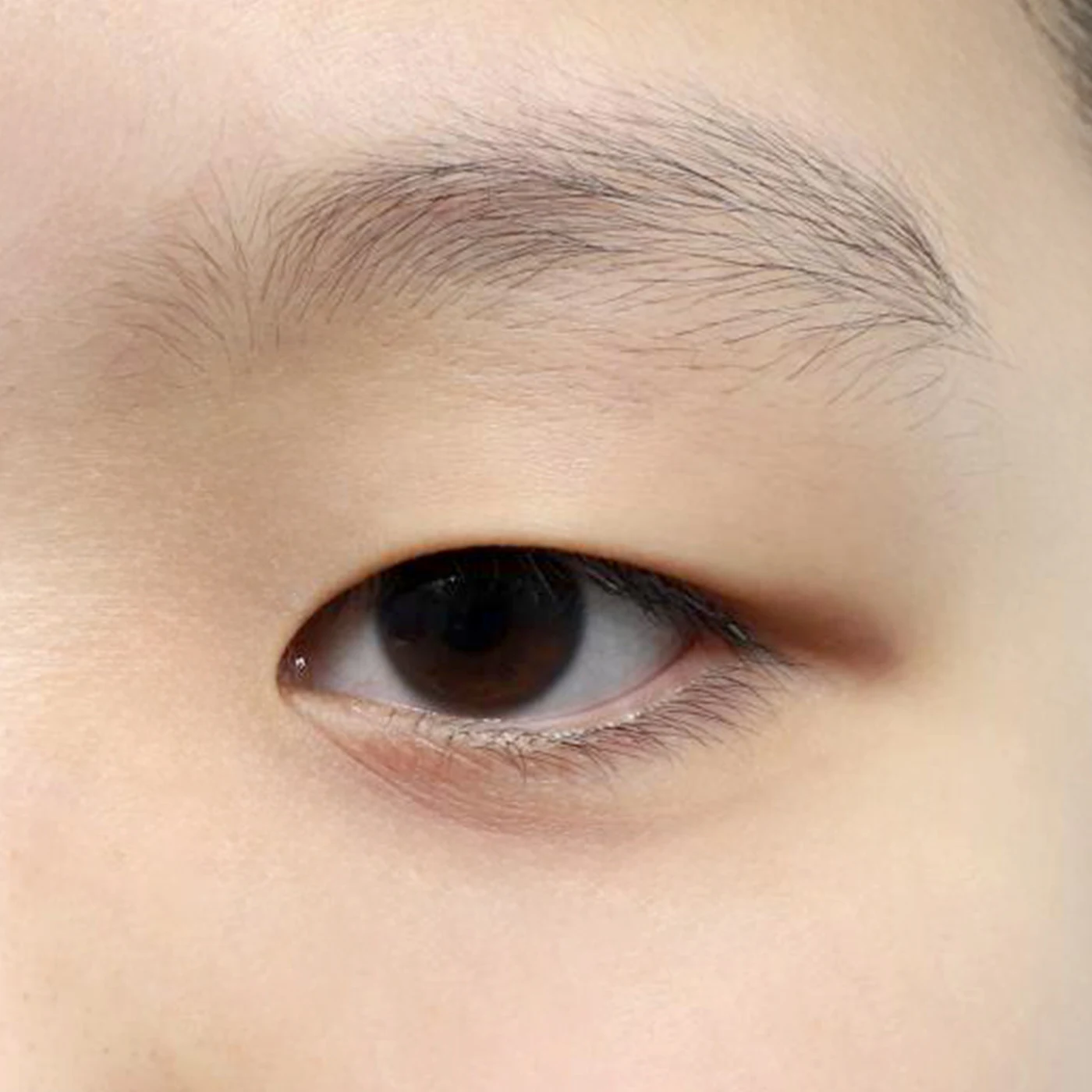
Assessment and design
We assess the degree of droop, whether ptosis is present and how much of the iris is exposed, then design accordingly.
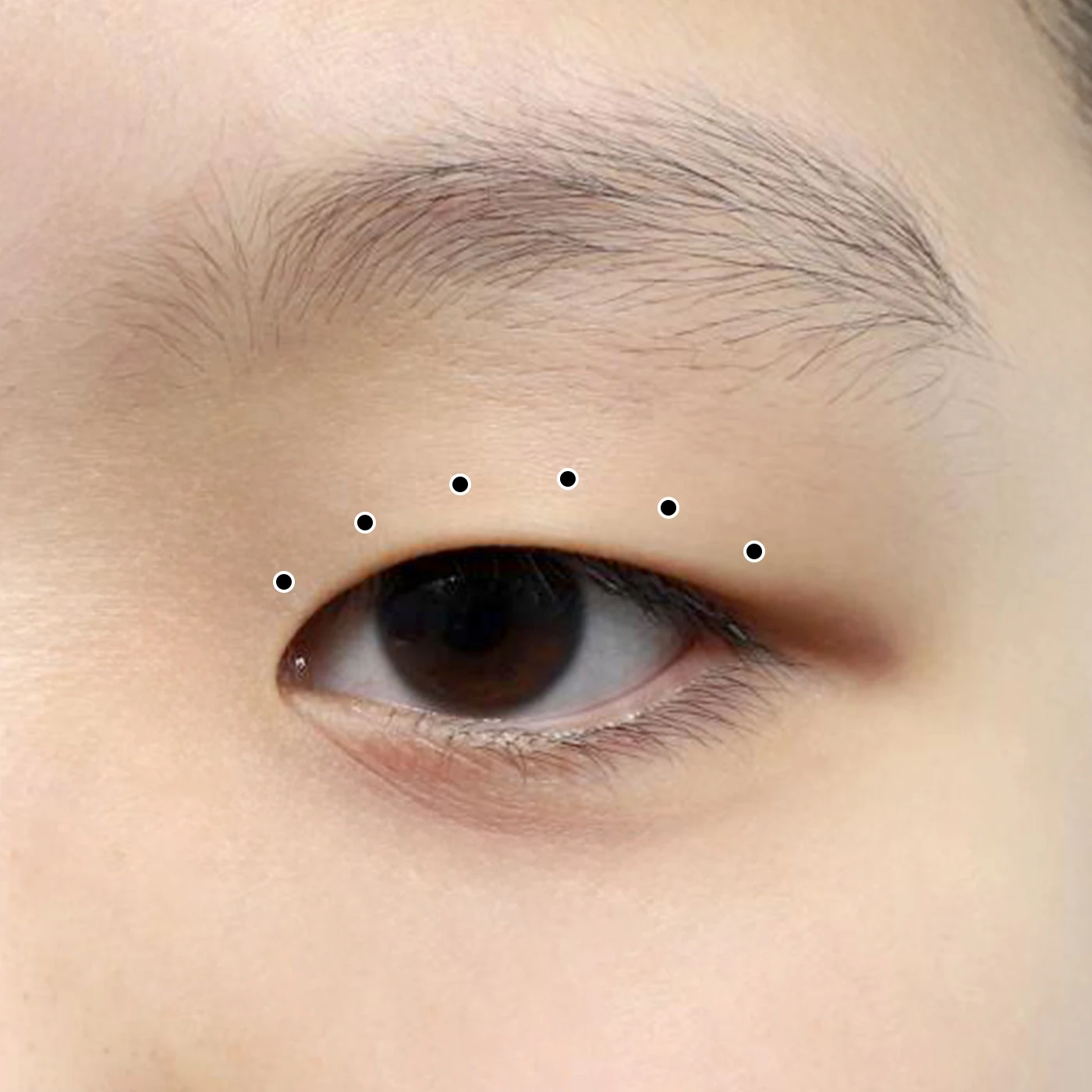
Forming fine tunnels
Fine tunnels are made in the upper eyelid without an incision.
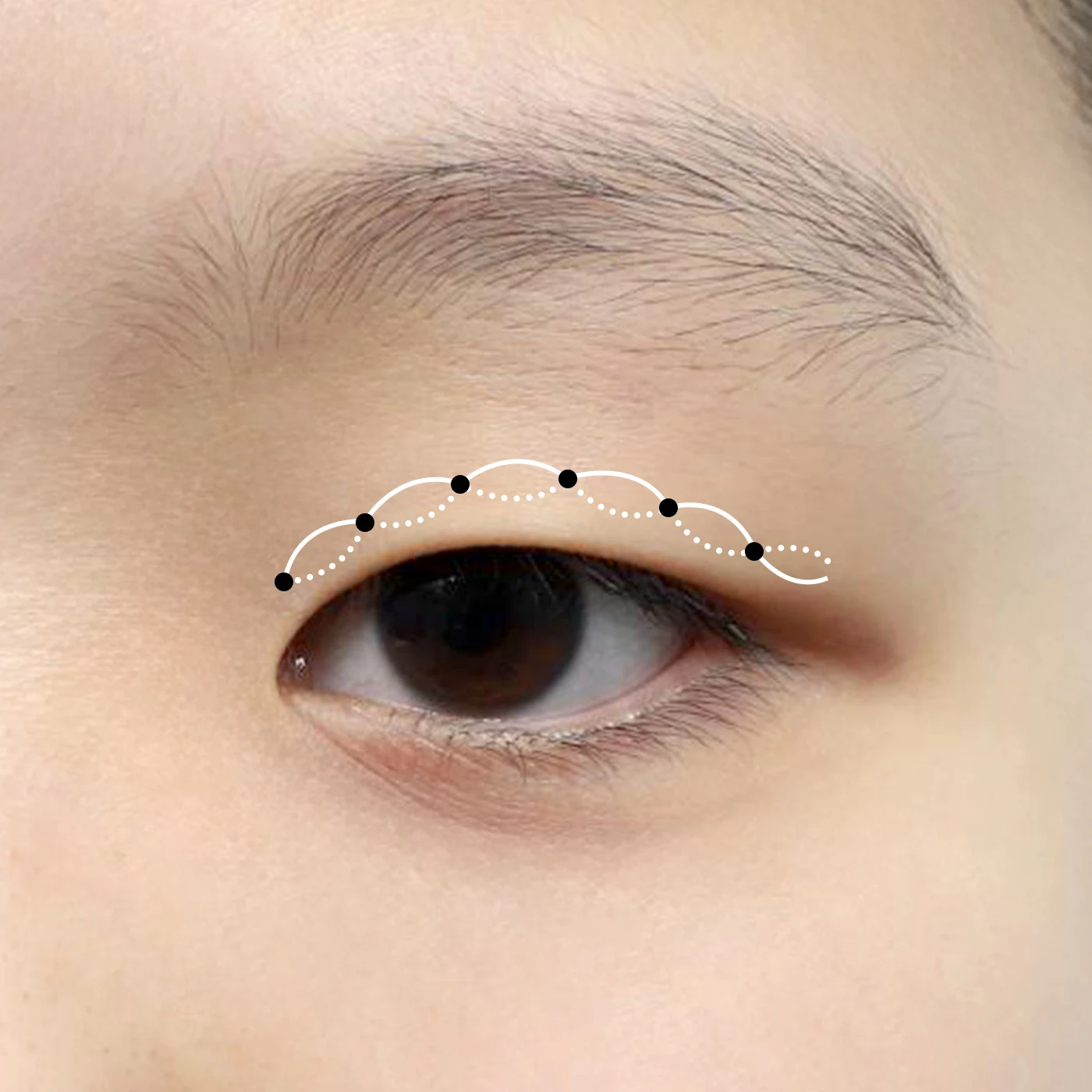
Adjusting and securing the muscle
The levator muscle is drawn through the tunnels and secured.
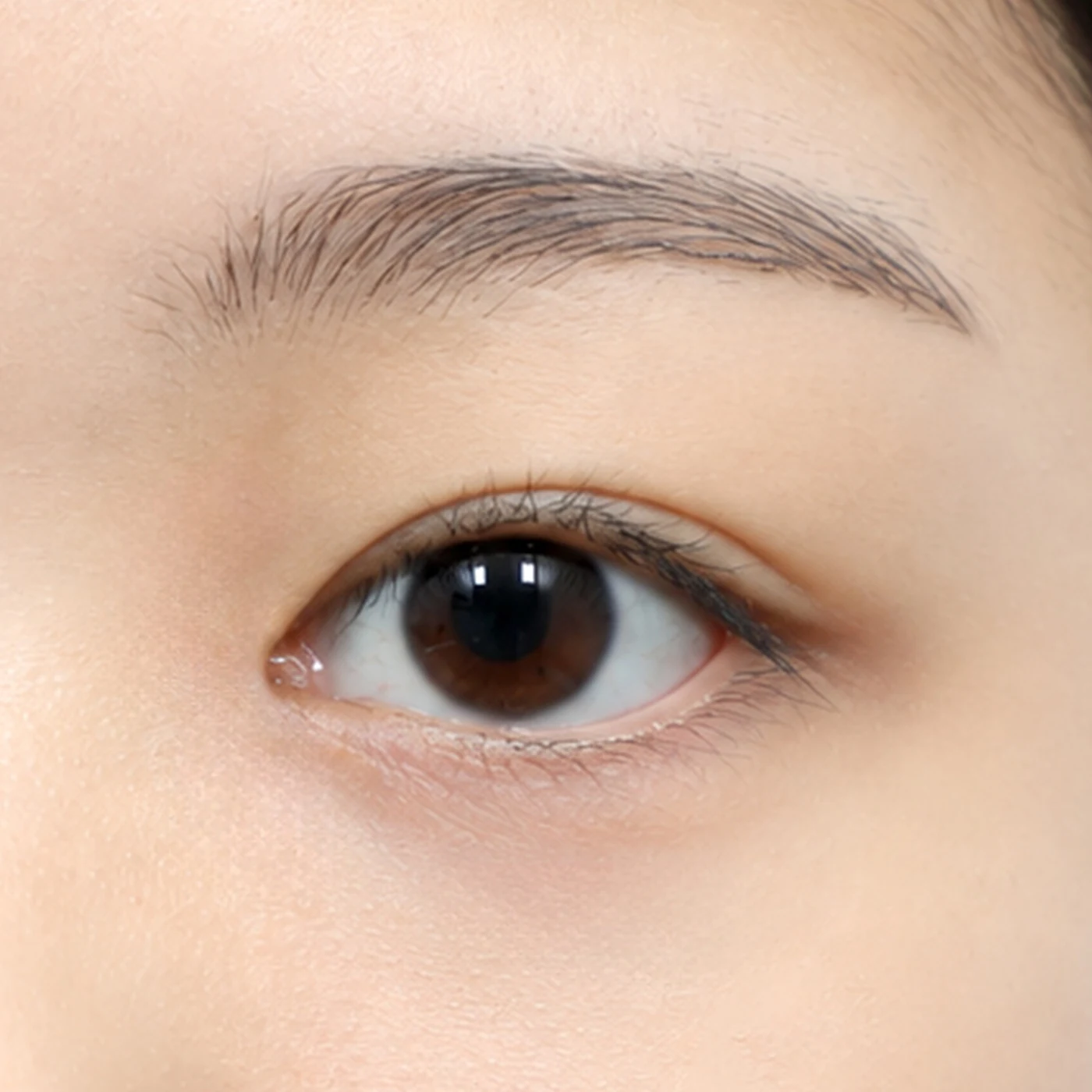
Defined eyes, no scarring
The result is naturally defined eyes without scarring.
GLOVI PLASTIC SURGERY
GLOVI Non-incisional POINT

Non-incisional ptosis correction
"Defined eyes without scarring"
No scar to worry about With no skin incision, no incision line shows even when the eyes are closed. Defined eyes The fine tunnels allow the lifting strength to be adjusted for clearly defined eyes.
Method 02
GLOVI [Incisional]
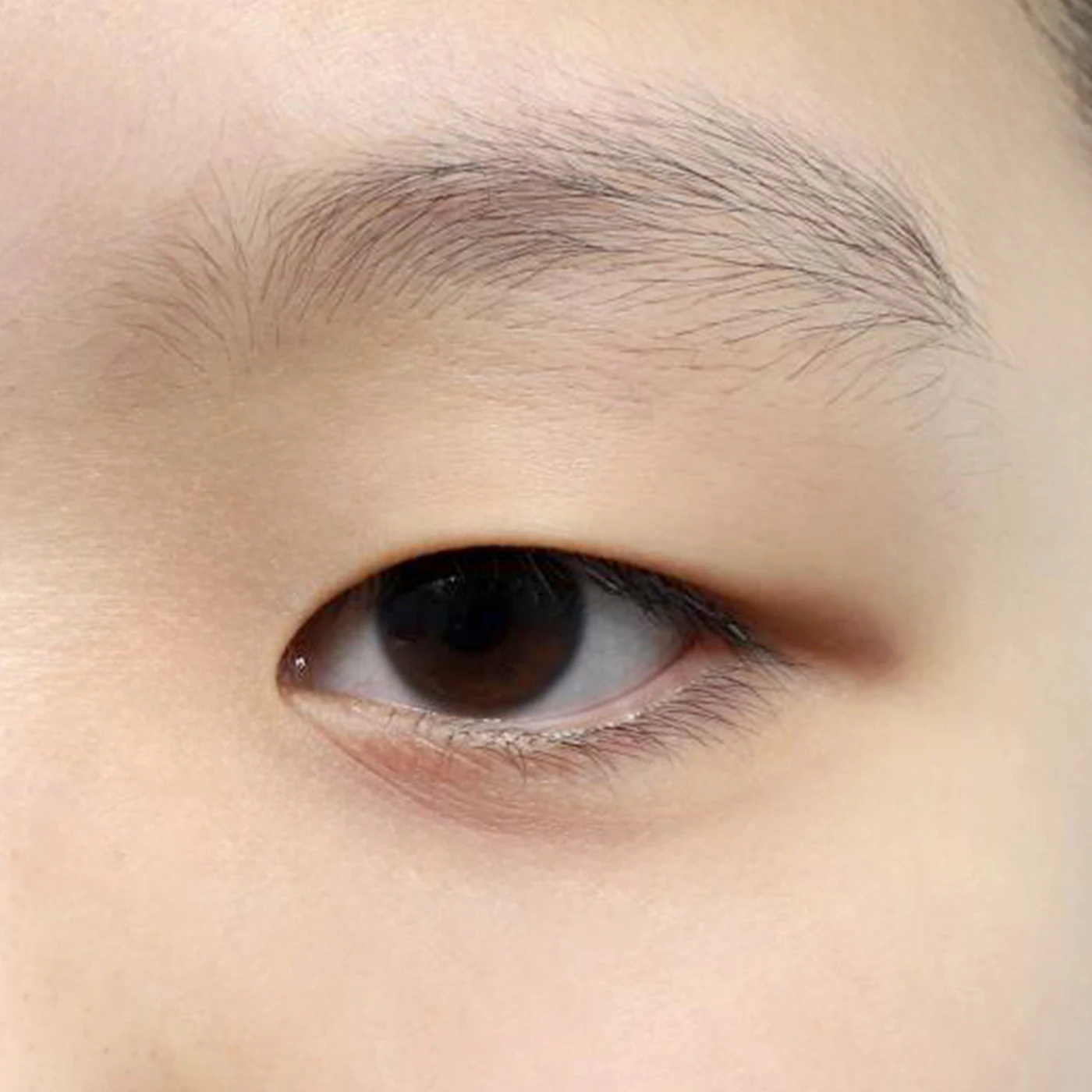
Assessment and line design
Eyelid fat, skin laxity and muscle strength are assessed to design the ideal line.
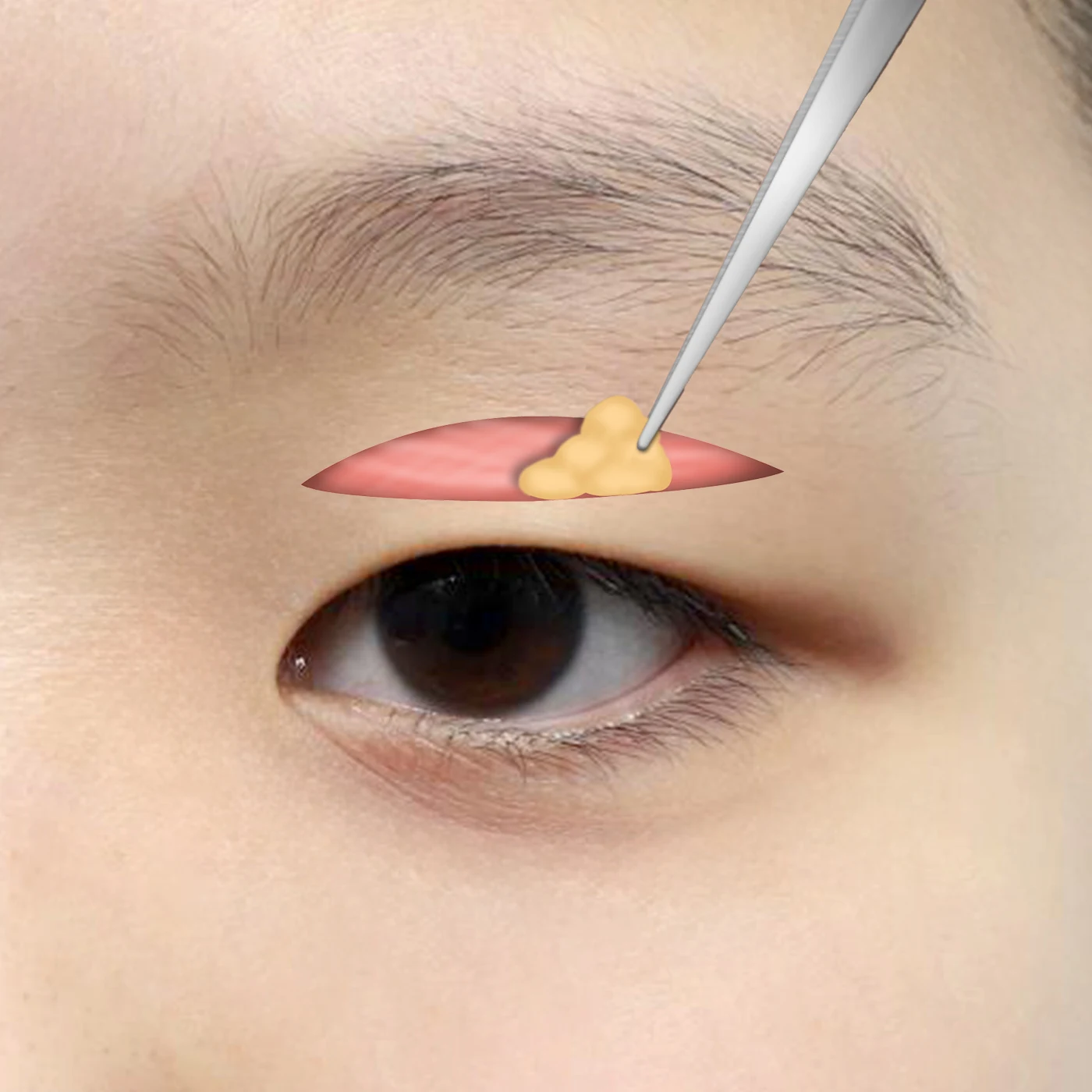
Clearing excess fat and tissue
After incising along the design line, eyelid fat and unnecessary tissue are removed as appropriate.
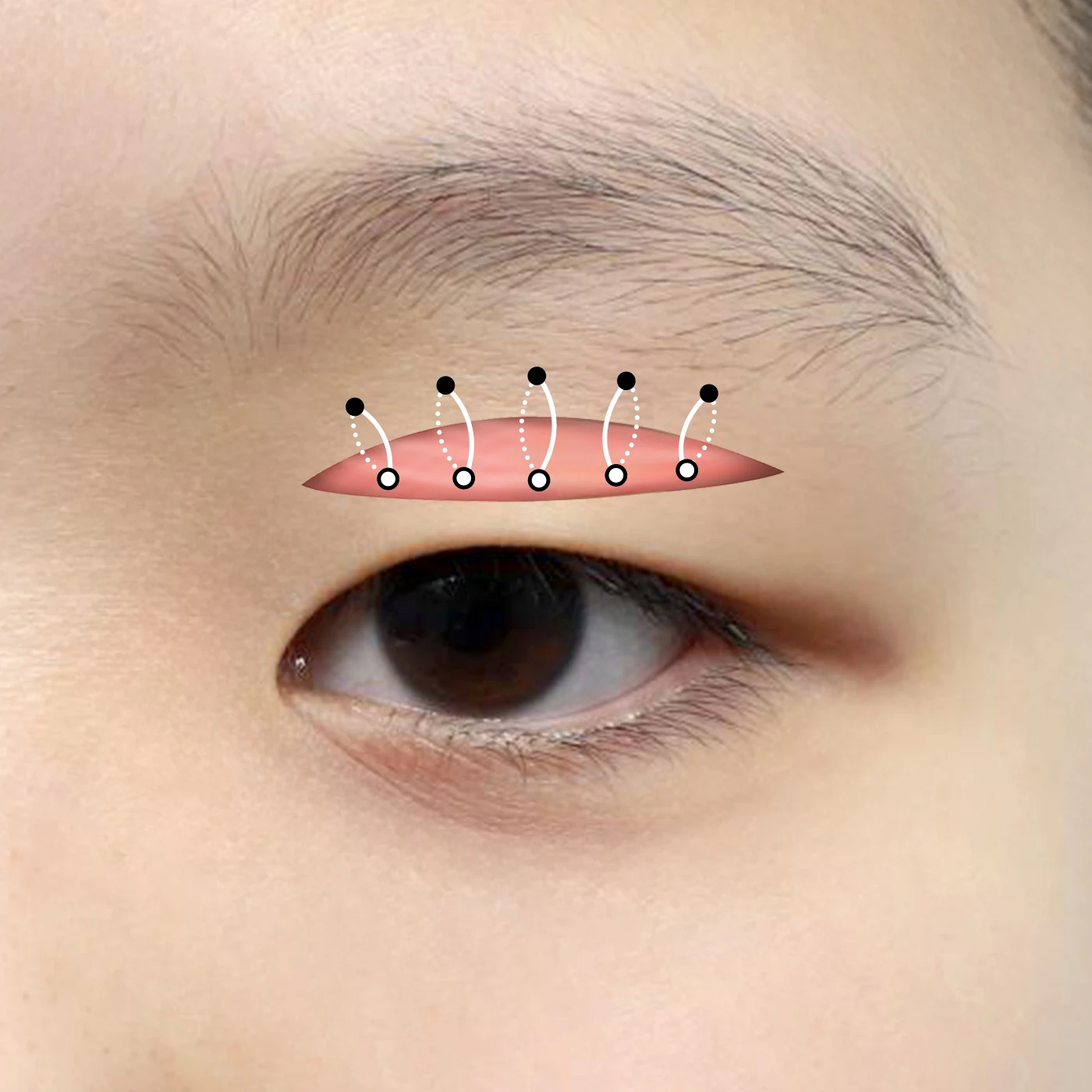
Adjusting and securing the muscle
A suture placed inside the eyelid adjusts the levator muscle, which is then secured.
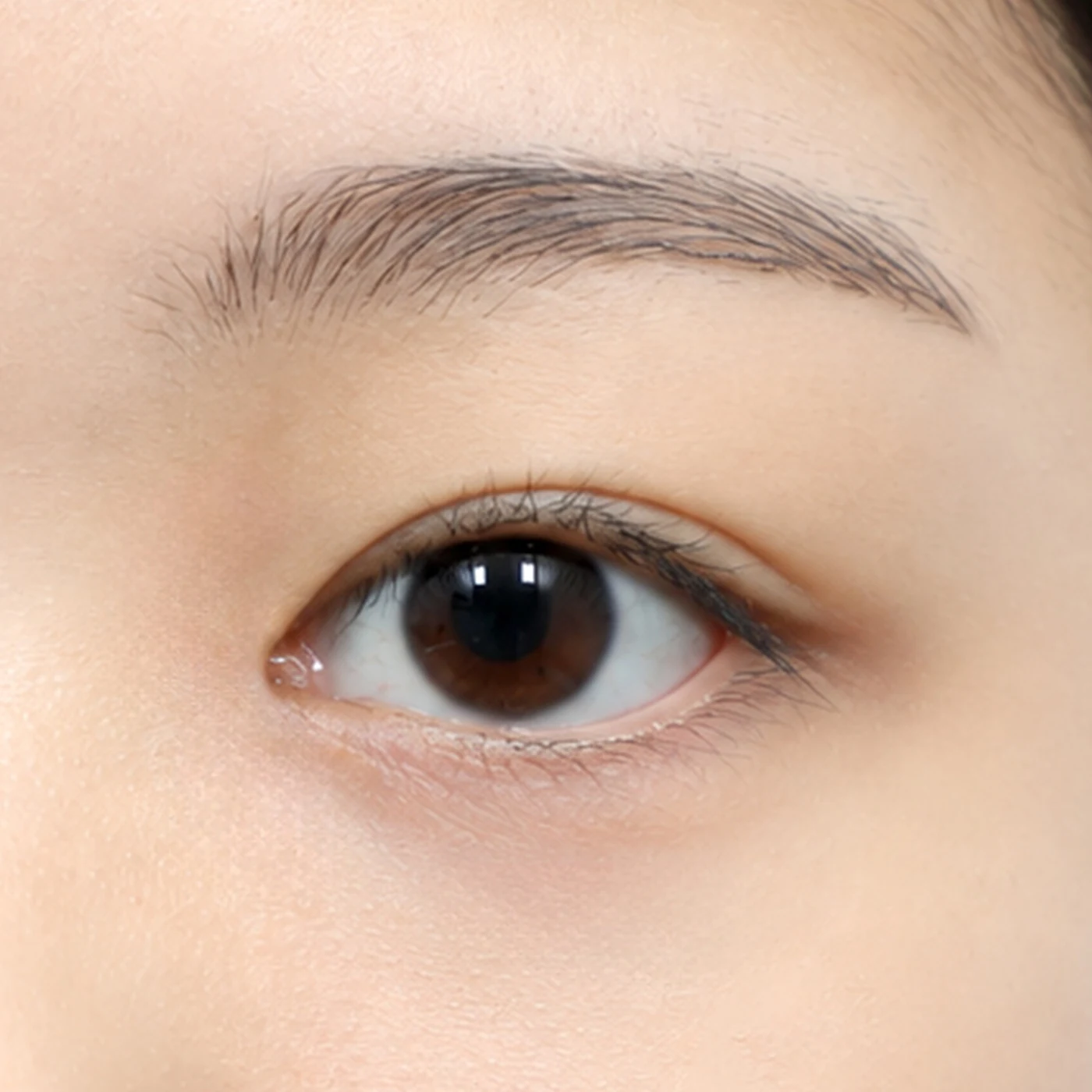
Clear, defined eyes
Heavy eyelids and ptosis are resolved, leaving clear and defined eyes.
GLOVI PLASTIC SURGERY
GLOVI Incisional POINT

Incisional ptosis correction
"For thick eyelids and moderate or greater ptosis"
Resolving ptosis Thick eyelid fat and tissue are cleared and the levator muscle corrected to resolve ptosis. Balanced, defined eyes Surgery accounts for the muscle balance between both eyes, so the result is even and defined.
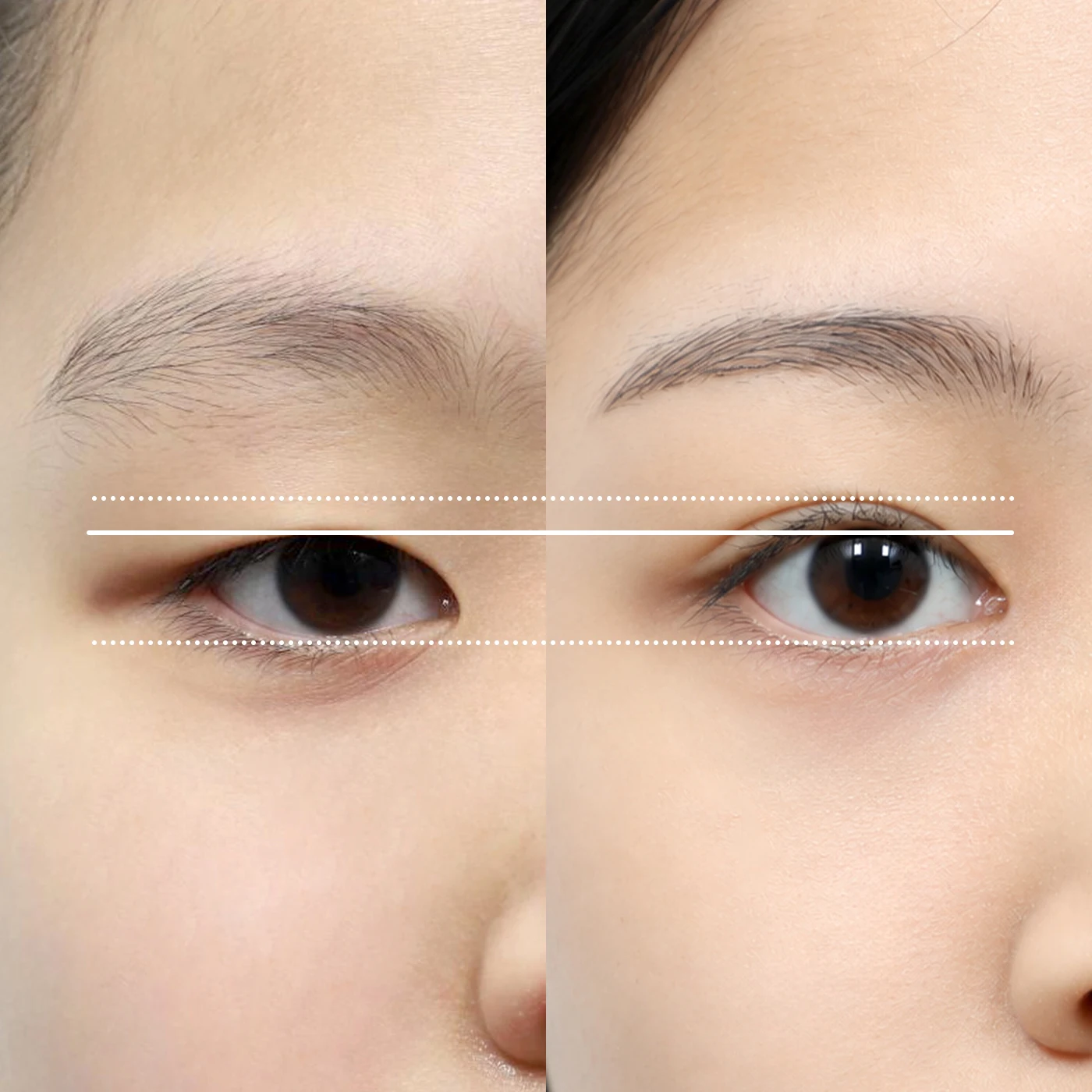
GLOVI BEFORE & AFTER
Before & After
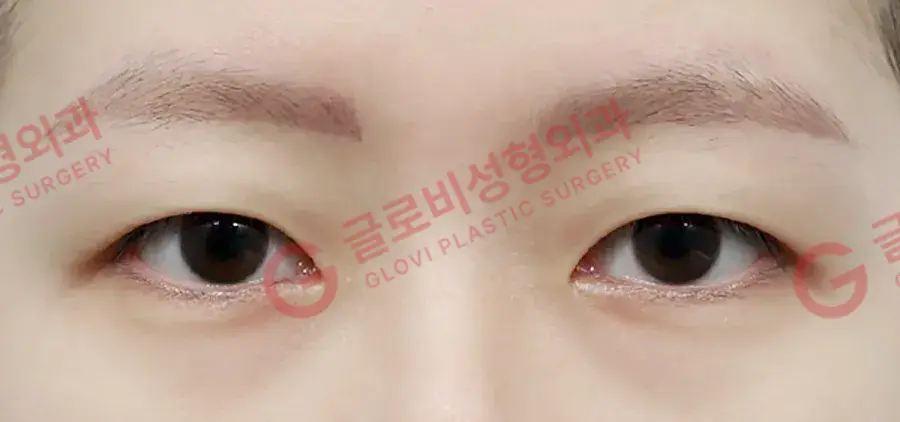
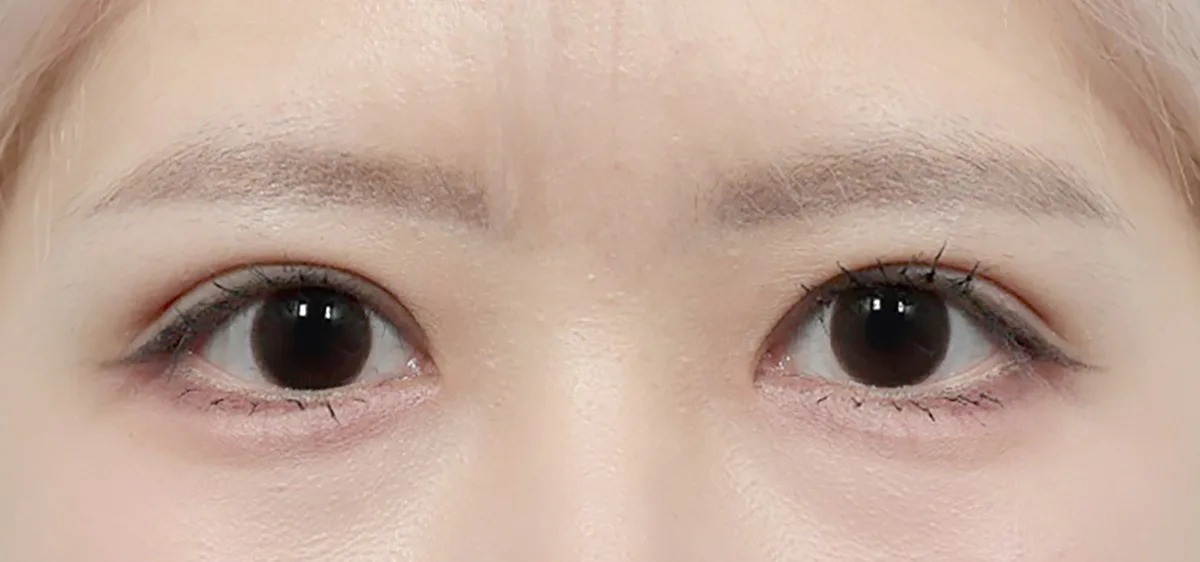
Eye Surgery
절개, 눈매교정
- Bleeding, infection and inflammation can occur after surgery, and the degree varies from person to person, so care is needed.
- Photos may differ from real life because of the shooting environment, lighting and make-up.
- Results differ for each person. Please confirm what suits you through a consultation.
GLOVI CLIPS, SHORTS
GLOVI Eyes Shorts
GLOVI SAFETY SYSTEM
The GLOVI Safety System
Patient safety is the one thing we will not trade away, so we hold to these principles without exception.
 01
Named Surgeon System
One specialist stays with you from consultation through surgery and aftercare.
 02
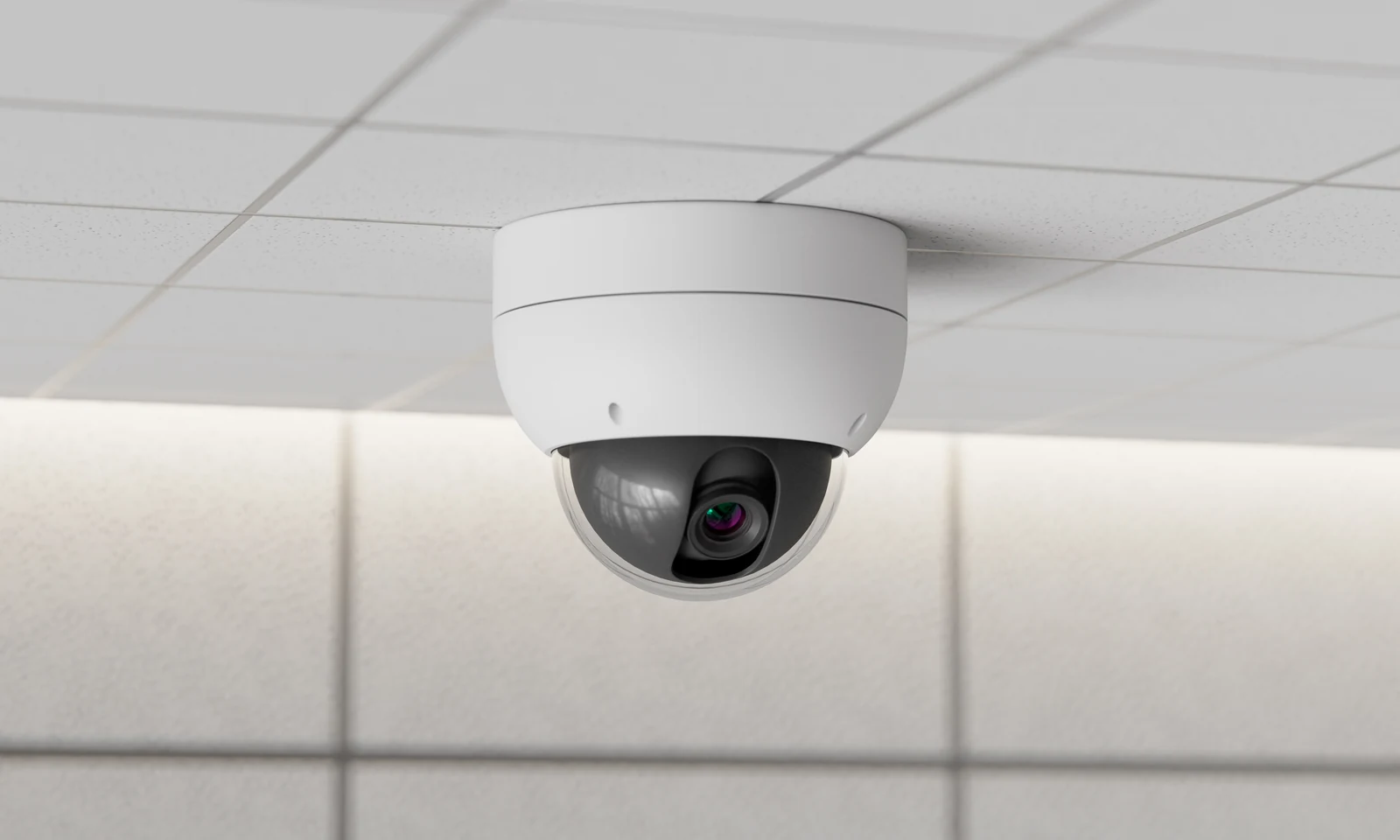
CCTV in Every Operating Room
Every operating and treatment room is monitored by CCTV.
 03
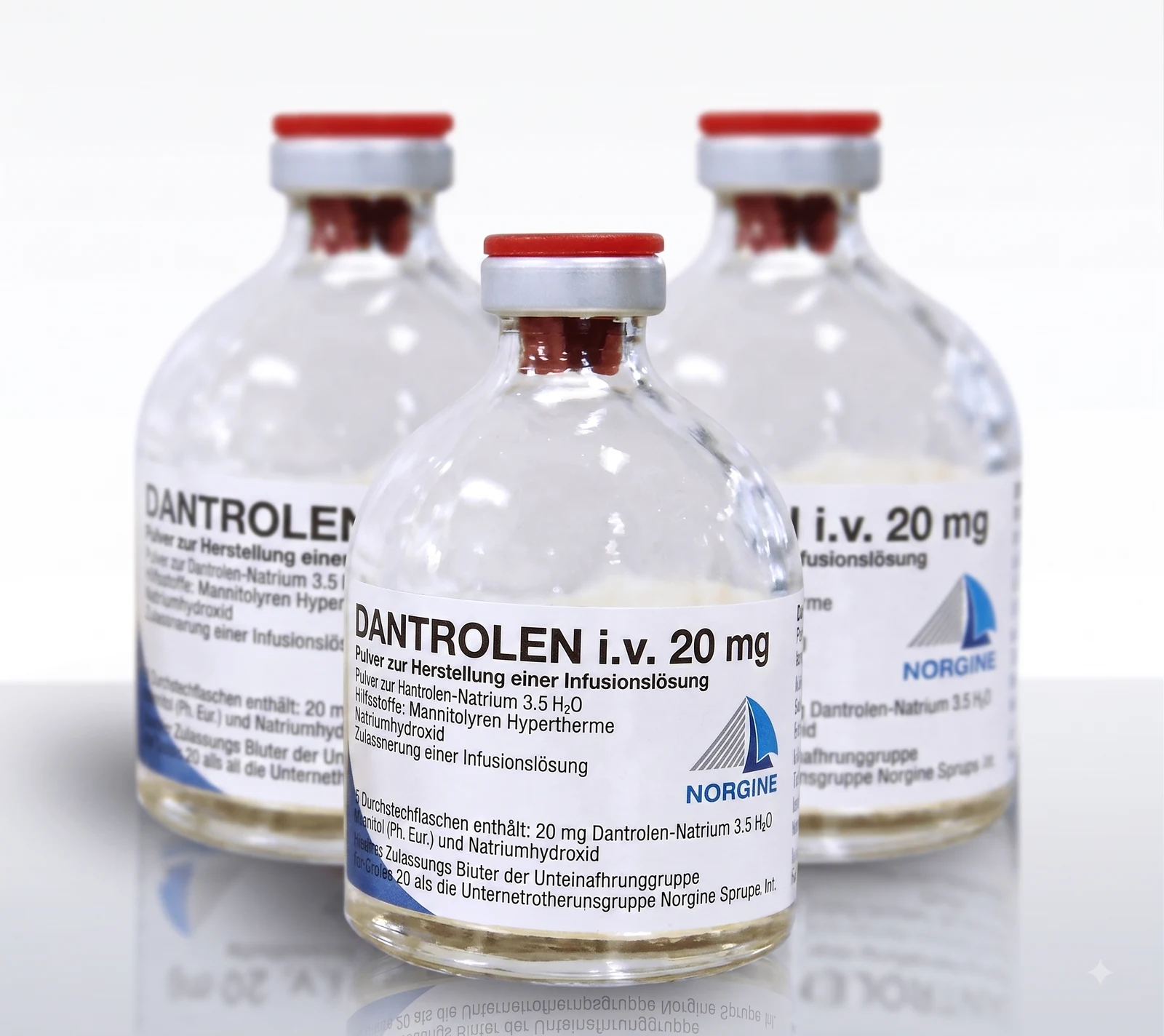
Dantrolene on Hand
We keep dantrolene, the treatment for malignant hyperthermia, ready for immediate use.
 04
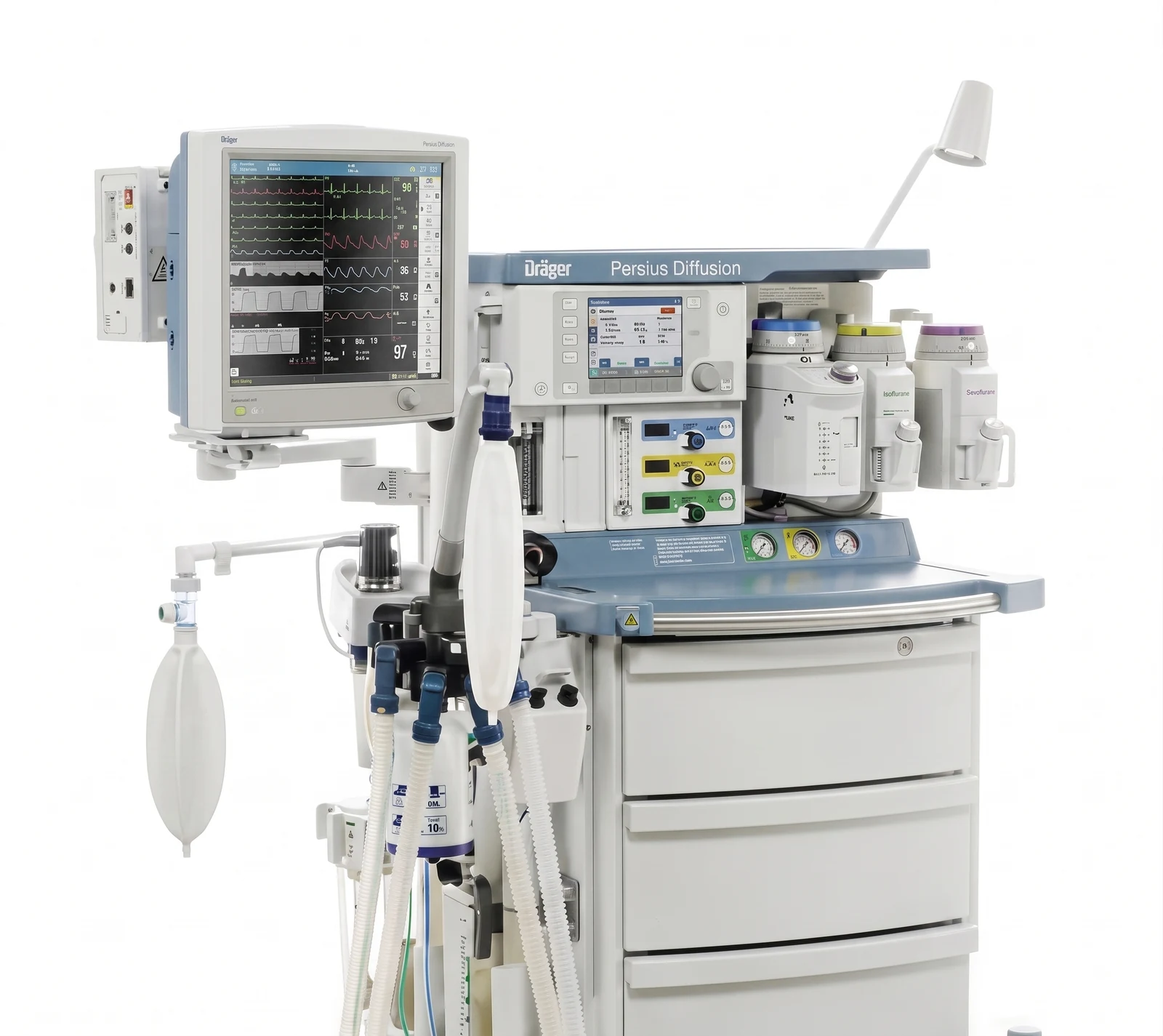
Anesthesia System
Patients are monitored in real time throughout surgery to keep anesthesia safe.
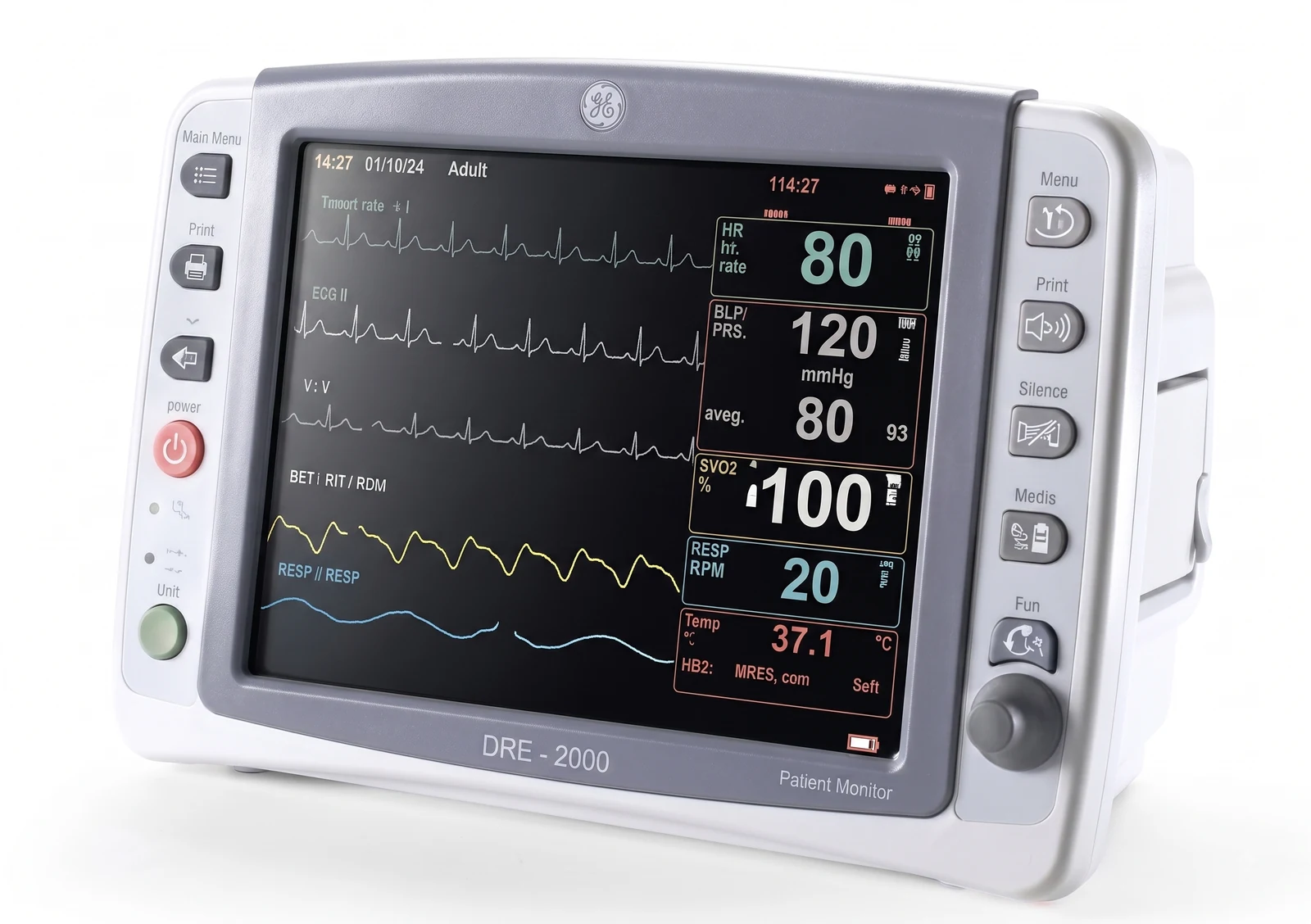 05
Central Monitoring
Patients in surgery or recovery are tracked in real time from a central station.
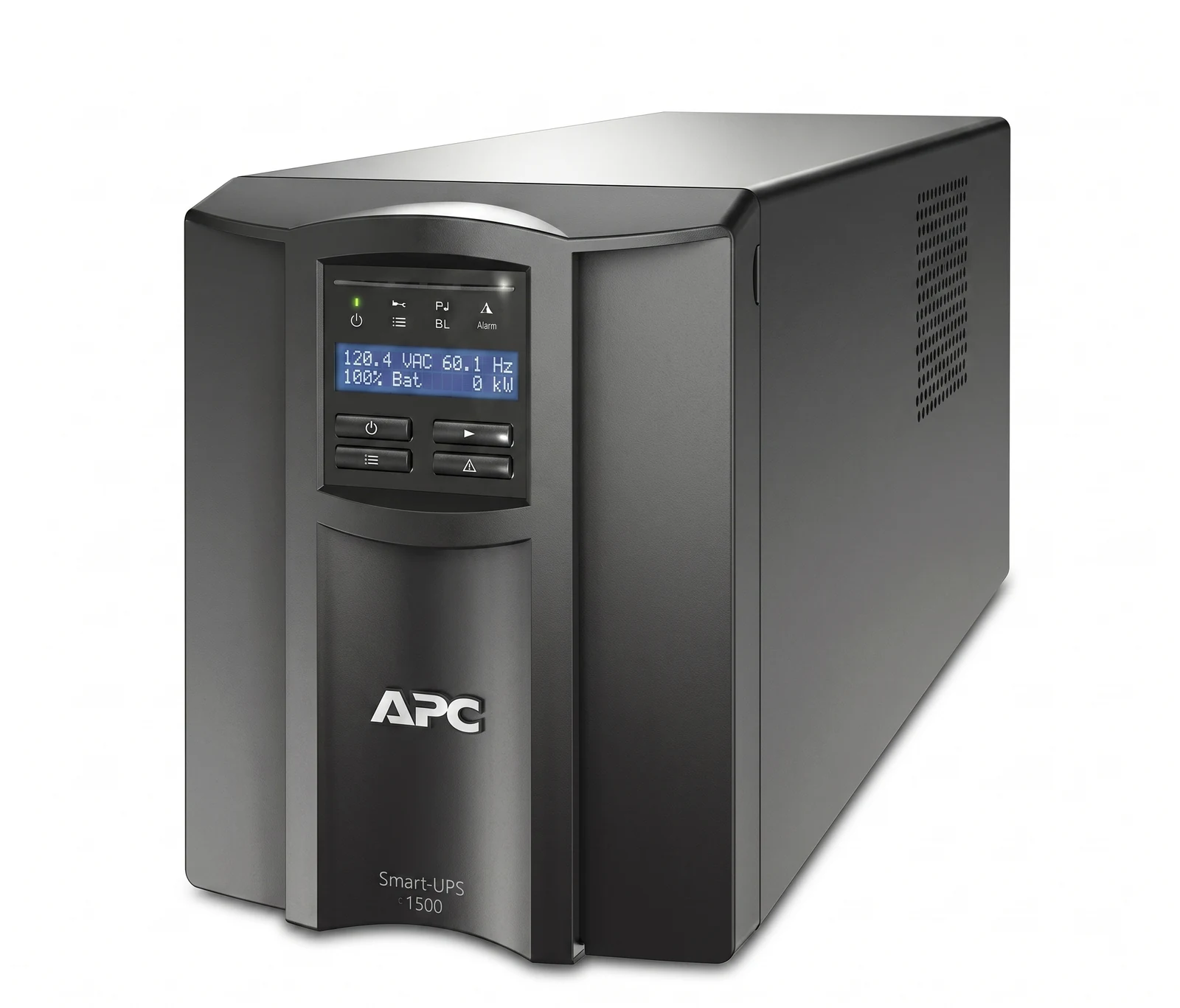 06
Uninterruptible Power Supply
A UPS keeps the clinic running even if the power fails.
01Named Surgeon System
One specialist stays with you from consultation through surgery and aftercare.
02CCTV in Every Operating Room
Every operating and treatment room is monitored by CCTV.
03Dantrolene on Hand
We keep dantrolene, the treatment for malignant hyperthermia, ready for immediate use.
04Anesthesia System
Patients are monitored in real time throughout surgery to keep anesthesia safe.
05Central Monitoring
Patients in surgery or recovery are tracked in real time from a central station.
06Uninterruptible Power Supply
A UPS keeps the clinic running even if the power fails.
FAQ
Ptosis Correction — Frequently asked questions
The questions our medical team is asked most often. Results and recovery differ between individuals, so an in-person consultation is needed for an accurate assessment.
How does ptosis correction differ from double eyelid surgery?
Double eyelid surgery creates a crease in the lid. Ptosis correction adjusts the muscle and tissue that open the eye, improving lid height and function. The two have different aims and, depending on your eyes, can be done together.
If my eyes still are not defined after double eyelid surgery, can ptosis correction fix that?
If the muscle that opens the eye is still weak and not enough of the iris shows, the eyes can look undefined even after double eyelid surgery. Ptosis correction adjusts that muscle and the surrounding tissue, which can sharpen the look further.
How do I choose between incisional and non-incisional ptosis correction?
The choice rests on lid skin thickness, how much fat there is, the degree of drooping and how well the eye opens. The right method varies with the state of your eyes and how marked the ptosis is, so an accurate assessment is needed.
My eyes feel like they do not fully close after ptosis correction — how long should I wait?
That feeling early on comes from the strengthened muscle and is temporary; in most cases it settles on its own over weeks to a few months. If recovery is slow or the discomfort is marked, it is best to be seen by your surgeon.
Explore GLOVI Eyes




 Eyelid Surgery for Mature Eyes
Clearing what the years have left, and firming again
View