GLOVI PLASTIC SURGERY
So it does not happen again — we start from the cause
GLOVI Eye Revision Surgery
GLOVI EYE REVISION SURGERY
In revision eye surgery, it matters to look closely at why the first surgery turned out as it did and at the condition of the eye now. We take the state of the eyelid tissue and any functional discomfort into account, and plan a solution that fits you.
Procedure information
- Procedure Time
- About 1~2 hr
- Anesthesia
- IV sedation, local anesthesia
- Hospital Stay
- Same-day discharge
- Suture Removal
- About 5~7 days later
- Recovery
- About 1~2 weeks



- ✓The crease sits too high and thick, giving a heavy look
- ✓The crease has loosened or faded
- ✓The two eyes differ markedly in crease height or shape
- ✓The eyes open less than before surgery, or look sleepy
- ✓The surgical scar is dark or uneven
- ✓Extra folds have formed, or the crease catches in several layers
GLOVI EYE REVISION SURGERY
The GLOVI eye revision that fits you

GLOVI
PLASTIC SURGERY
Let GLOVI be your last eye revision
Eye revision may be considered when the crease or shape is not what you hoped for, when the two eyes are asymmetric, or when there is functional discomfort. The right time depends on how healing has progressed; as a rule it is decided in consultation at least six months after the previous surgery.
GLOVI EYE REVISION CASES
GLOVI eye revision cases
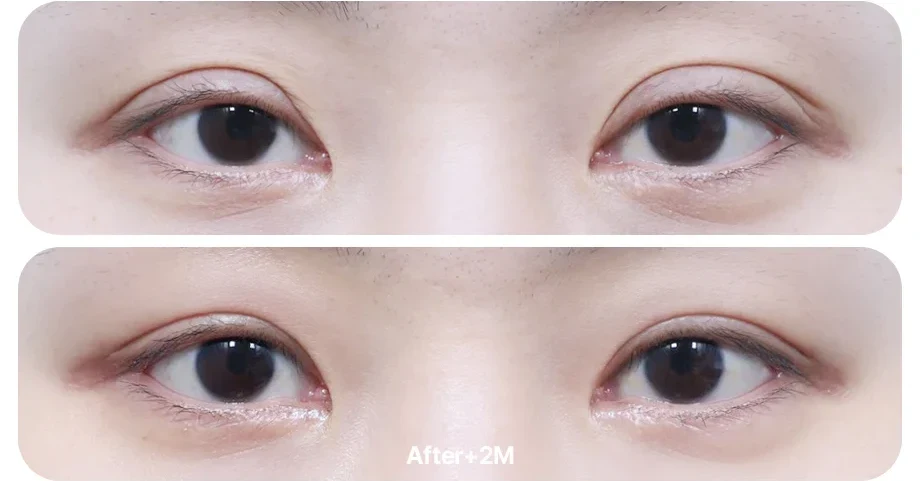
When the crease is too high or too thick
This happens when the crease was set high or when there is excess fatty tissue. We check how the crease is fixed and what the tissue is like, then plan the revision towards a lower crease. If the old crease is likely to re-adhere, scar tissue and unnecessary tissue are cleared, and the crease is designed again to suit the eye as it is now.
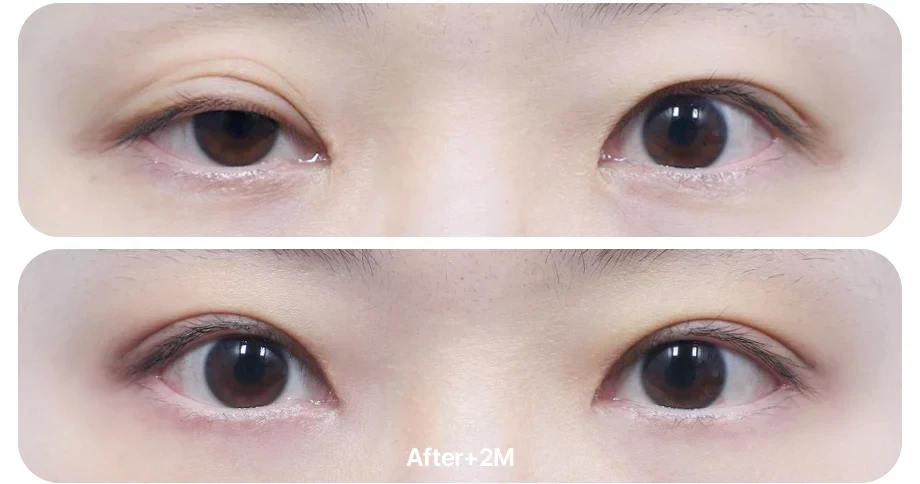
When the two creases are asymmetric
The cause may be left-right asymmetry, a crease that has come undone on one side, or a difference in the strength of the muscle that opens the eye. We examine both eyes, adjust the creases, and where needed remove a little skin as part of a revision plan built around balance.
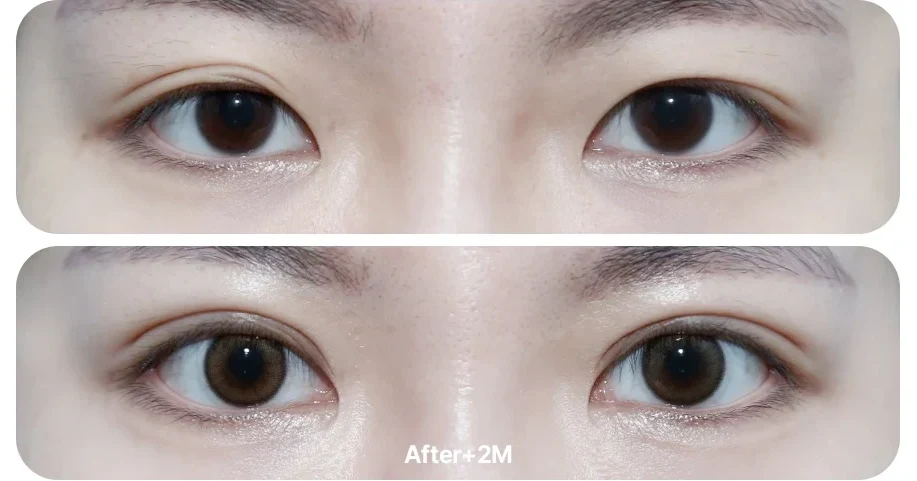
When the crease has faded or come undone
When the fixation weakens or skin elasticity declines, the crease can fade or come undone. After checking the eyelid skin and muscle, we either re-fix the crease without an incision or, where an incision is needed, clear the adhesions and tissue and design the crease again.
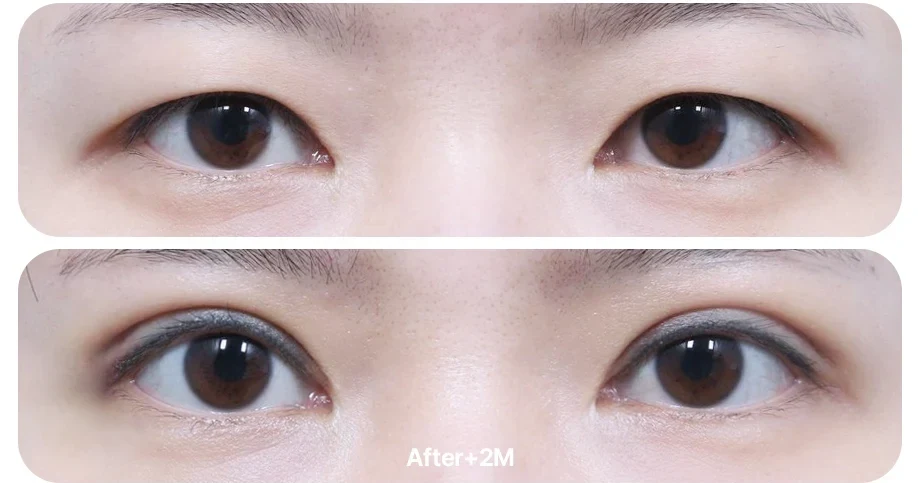
When the scar stands out
When the scar is noticeable — the incision line sunken, or a step formed — we first check how much skin there is to work with and the state of the scar tissue. Scar tissue is cleared as far as needed and the skin and muscle are closed with care, to improve both the scar and the crease.
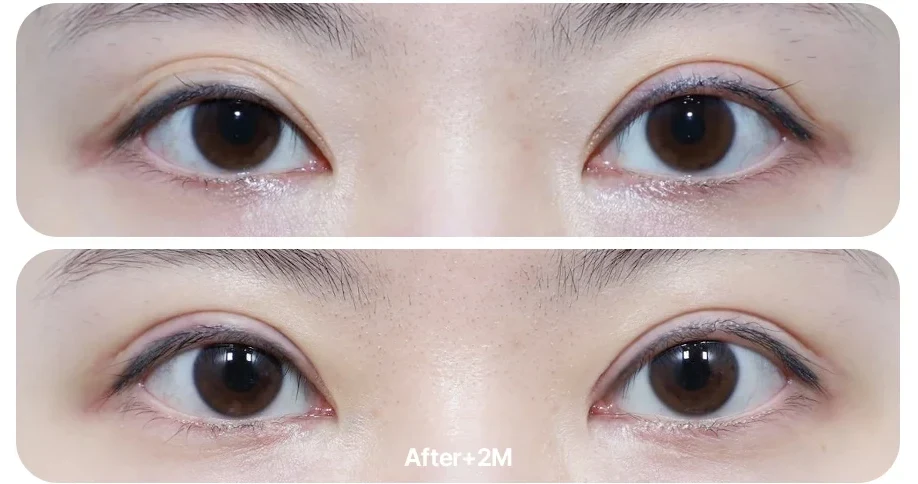
When there are several creases
If the eyelid loses volume or unwanted adhesions form, several creases can appear. We examine the eyelid tissue and the adhesions, release the ones that need releasing, and where appropriate consider fat repositioning or micro fat grafting alongside, then design the crease again.
GLOVI DOUBLE-LINE TECHNIQUE FOR EYELID CREASE LOWERING
GLOVI double-line technique
The double-line technique is an eye revision method used when the existing crease is far too high, or looks unnatural because of scarring or adhesion: the old adhesion is released and a new crease is designed. GLOVI looks closely at everything from the cause of the previous surgery to the eyelid tissue and how much skin there is, then plans a crease and an approach that suit your eye.
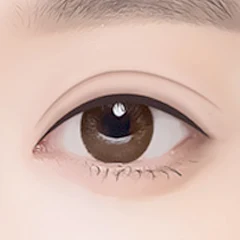
Check the existing crease that sits high or looks unnatural
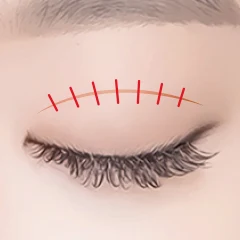
Examine how the old crease has adhered and release it as far as needed
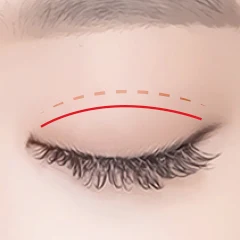
Design the new crease lower than the old one
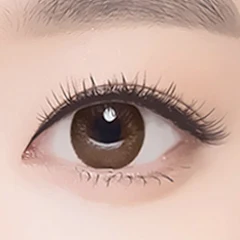
Fix it so that the new crease forms when the eye opens
GLOVI SKIN EXCISION vs SKIN INCISION
GLOVI skin excision vs. skin incision
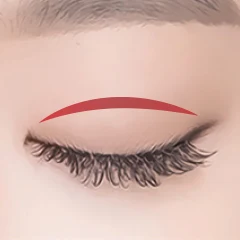
Skin excision
Excess eyelid skin or scar tissue is cut away as far as needed. It may be considered when a lot of skin remains or the scar stands out; how much is removed depends on the eye.
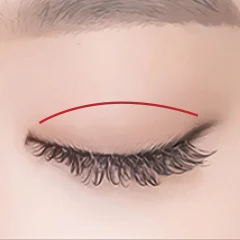
Skin incision
The eyelid skin is opened so the tissue underneath can be checked and corrected. No skin is cut away, and it is used when there is no skin laxity and a clearly defined crease is wanted.
GLOVI EYE REVISION POINT
GLOVI eye revision points

- 01
The cause of the revision examined in detail
We look at the cause of the previous surgery — asymmetry, a crease that has come undone, scarring, functional discomfort — along with the condition of the eye now, and plan the approach from there.
- 02
A surgical plan matched to the eyelid tissue
We discuss the method you need, taking into account how much skin there is, the adhesions and the scar tissue.
- 03
Performed by a board-certified plastic surgeon
A board-certified plastic surgeon with extensive clinical experience in eye revision performs the surgery, based on what was agreed in consultation.
GLOVI BEFORE & AFTER
Before & After
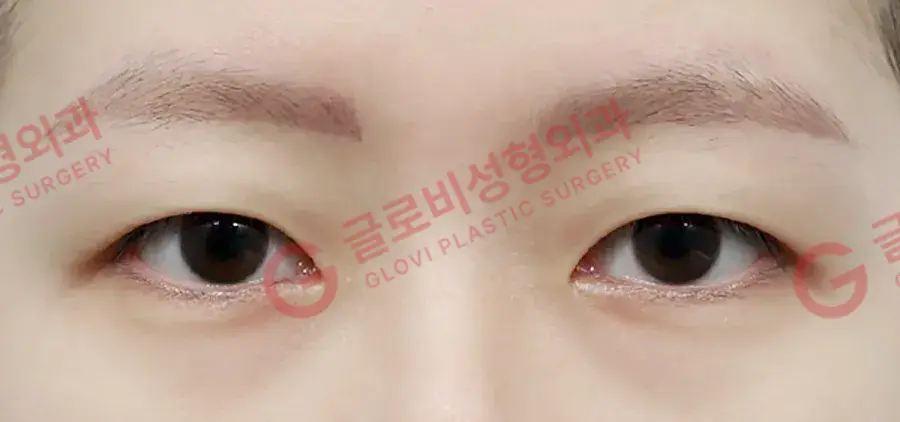
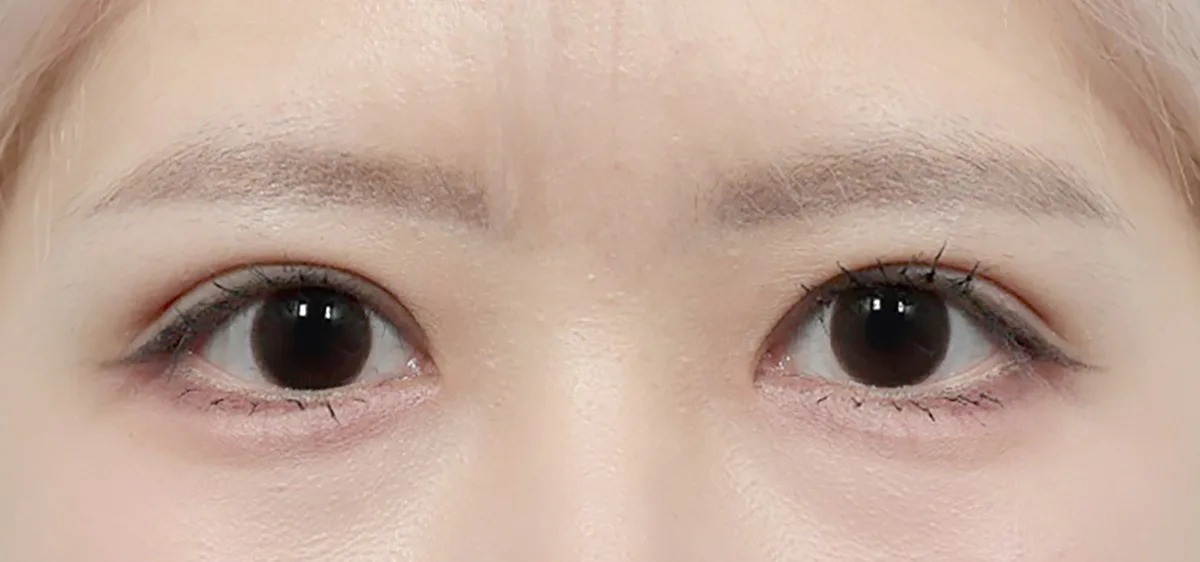
Eye Surgery
절개, 눈매교정
- Bleeding, infection and inflammation can occur after surgery, and the degree varies from person to person, so care is needed.
- Photos may differ from real life because of the shooting environment, lighting and make-up.
- Results differ for each person. Please confirm what suits you through a consultation.
GLOVI CLIPS, SHORTS
GLOVI Eyes Shorts
GLOVI SAFETY SYSTEM
The GLOVI Safety System
Patient safety is the one thing we will not trade away, so we hold to these principles without exception.
 01
Named Surgeon System
One specialist stays with you from consultation through surgery and aftercare.
 02
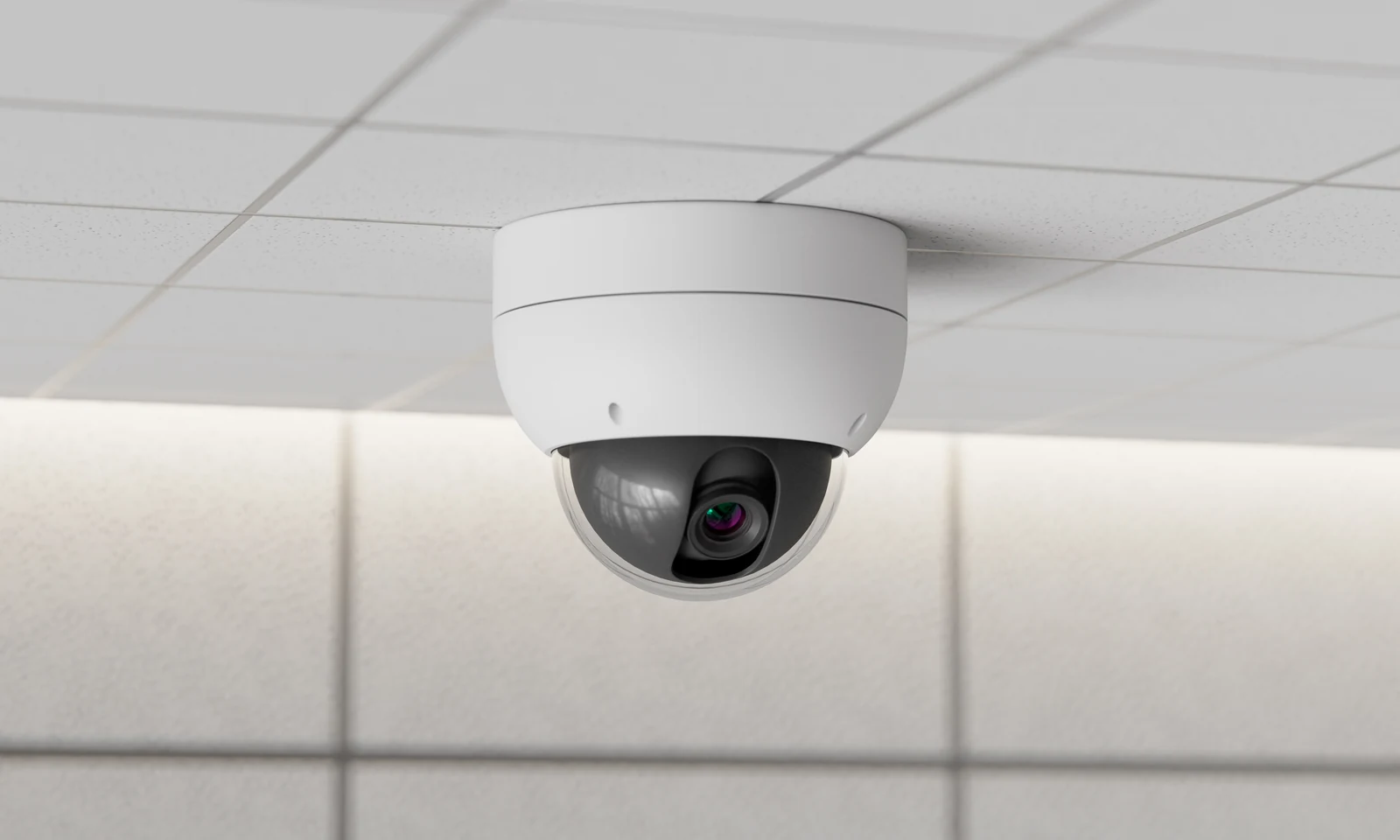
CCTV in Every Operating Room
Every operating and treatment room is monitored by CCTV.
 03
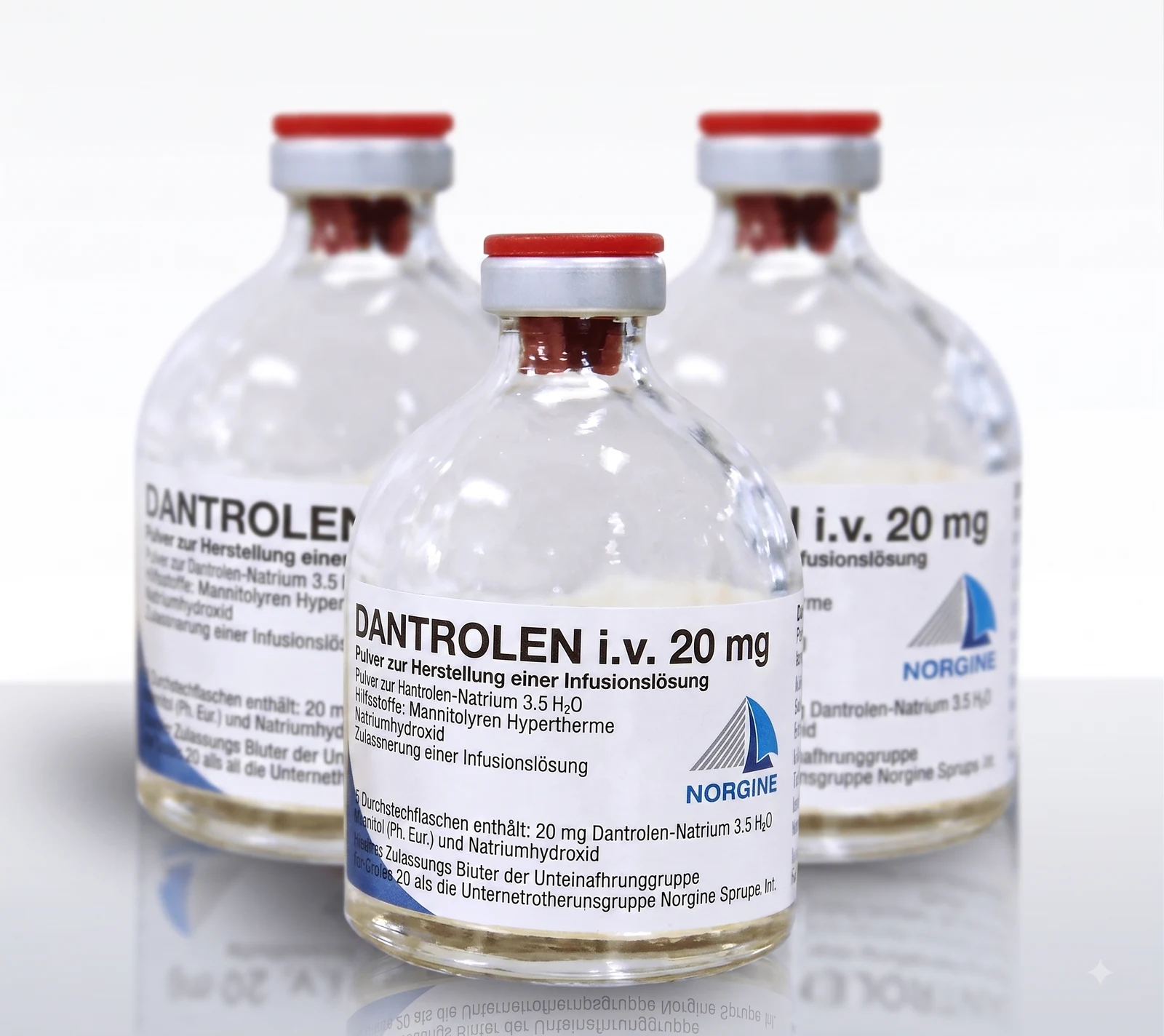
Dantrolene on Hand
We keep dantrolene, the treatment for malignant hyperthermia, ready for immediate use.
 04
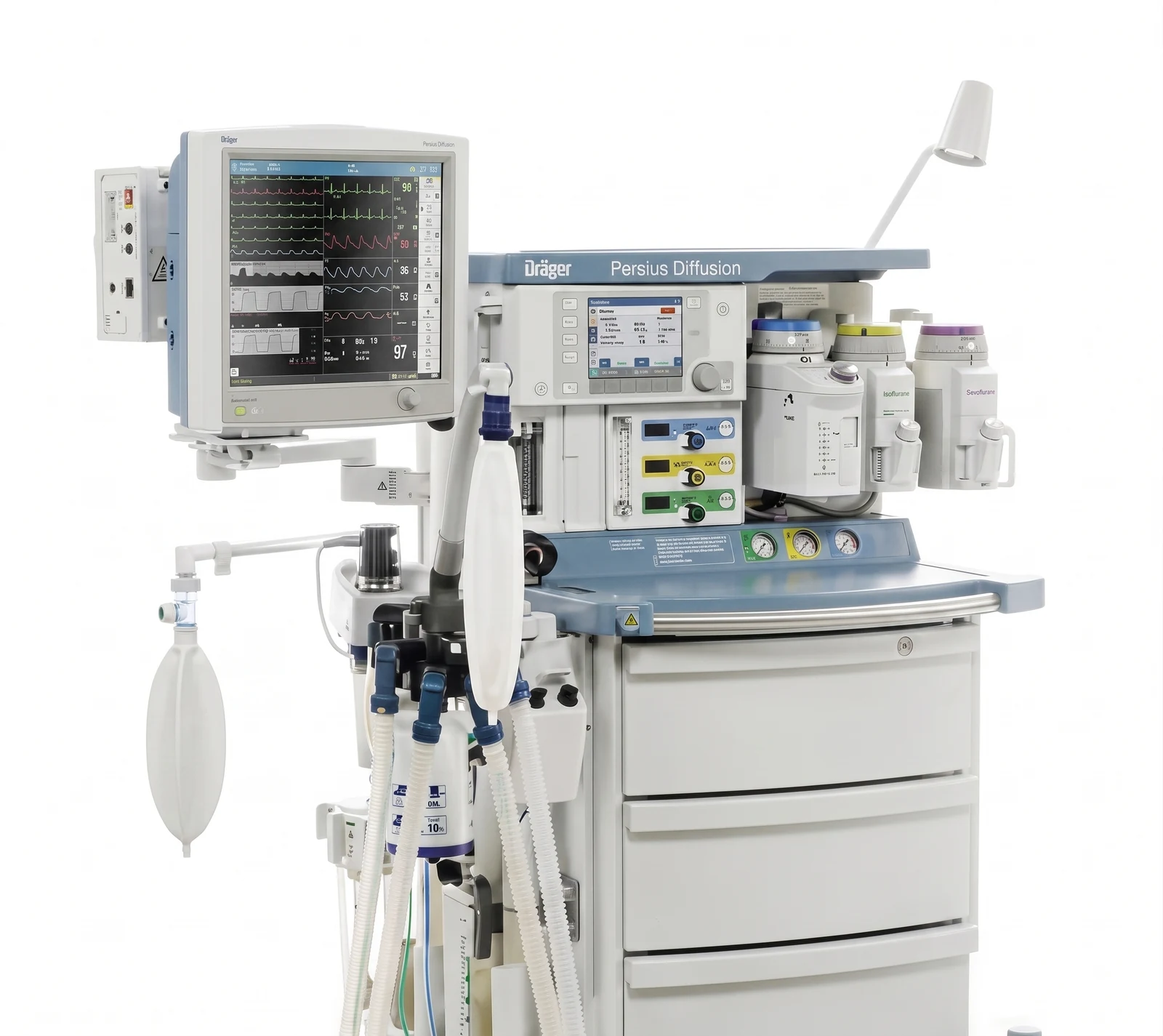
Anesthesia System
Patients are monitored in real time throughout surgery to keep anesthesia safe.
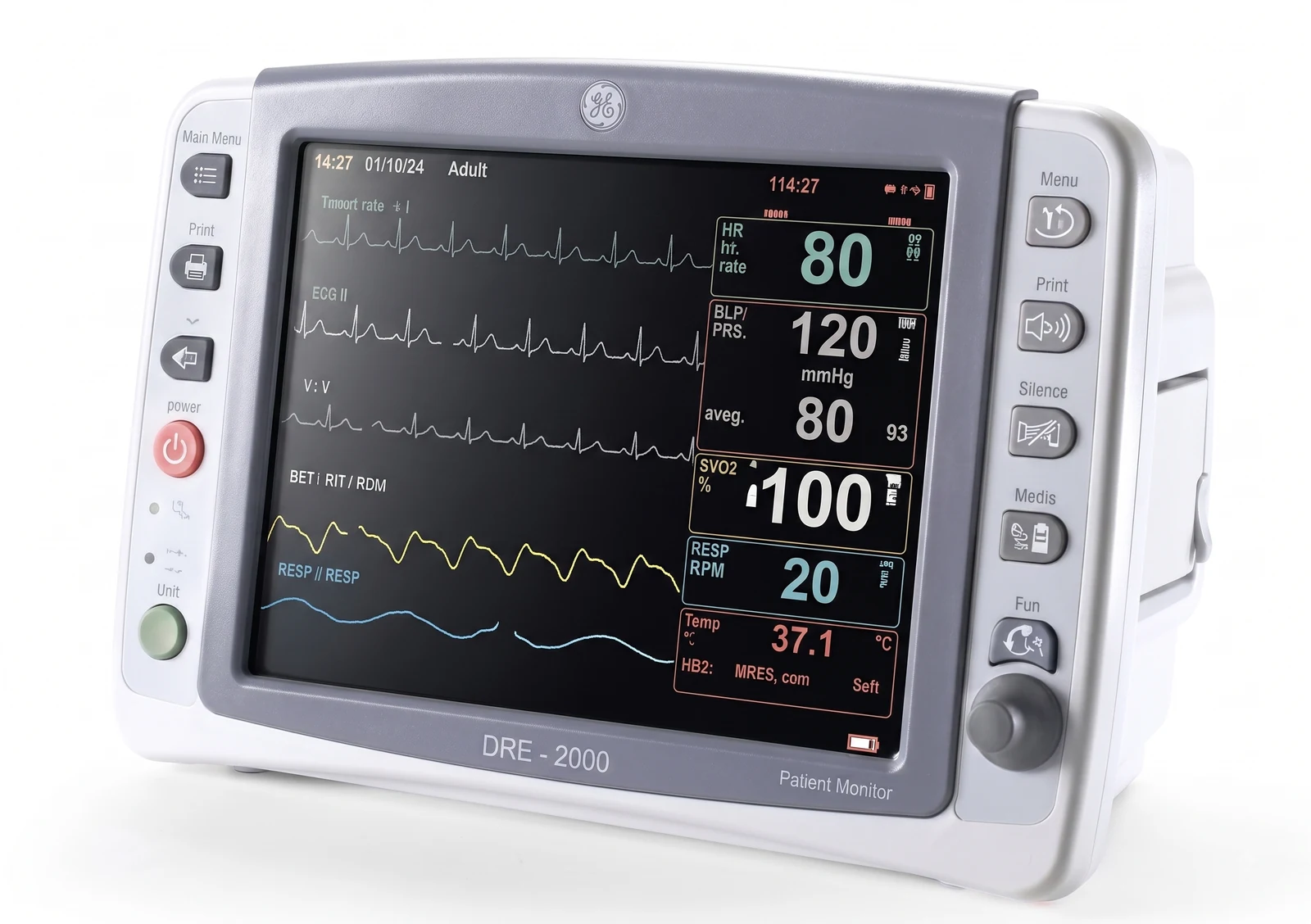 05
Central Monitoring
Patients in surgery or recovery are tracked in real time from a central station.
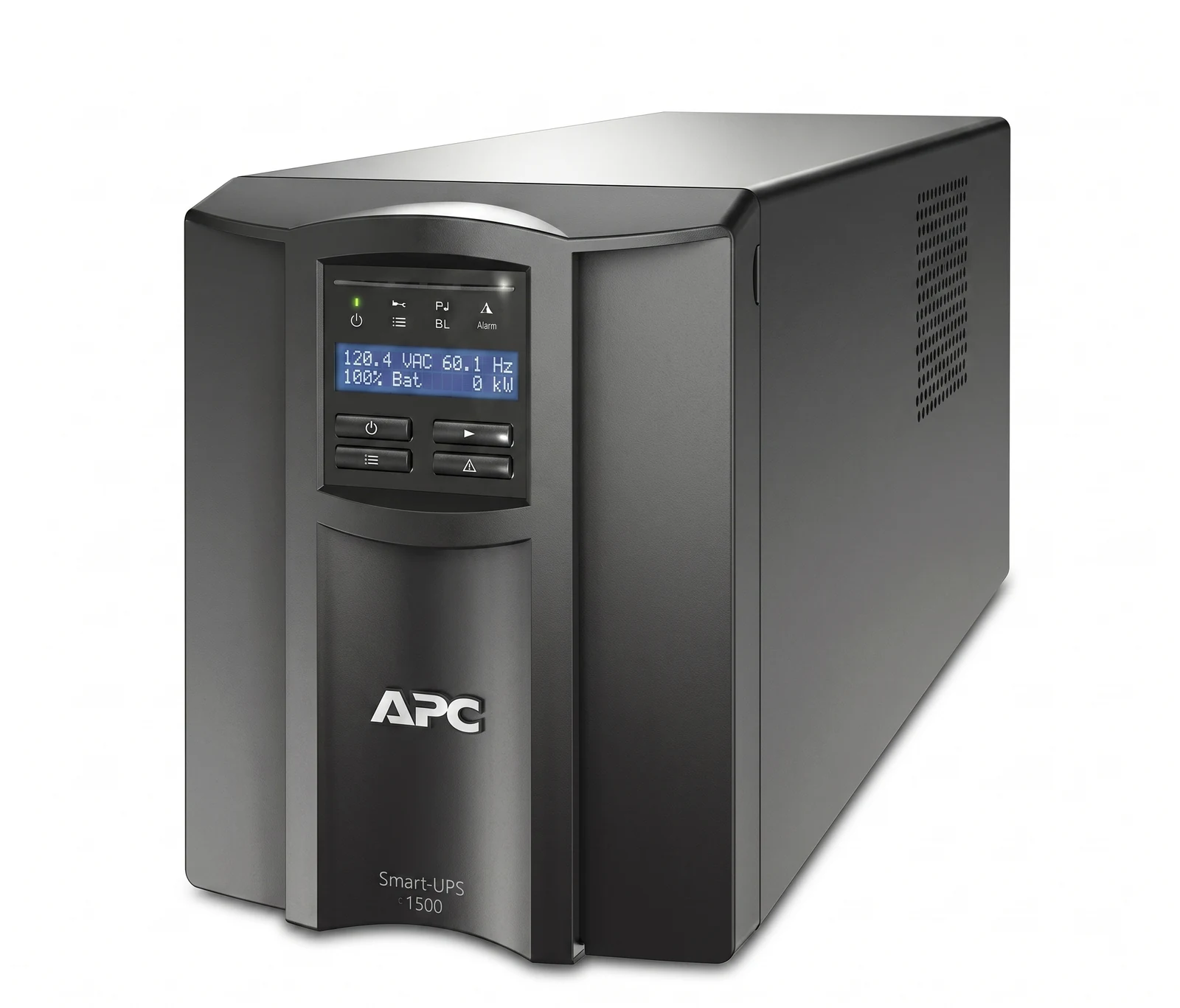 06
Uninterruptible Power Supply
A UPS keeps the clinic running even if the power fails.
01Named Surgeon System
One specialist stays with you from consultation through surgery and aftercare.
02CCTV in Every Operating Room
Every operating and treatment room is monitored by CCTV.
03Dantrolene on Hand
We keep dantrolene, the treatment for malignant hyperthermia, ready for immediate use.
04Anesthesia System
Patients are monitored in real time throughout surgery to keep anesthesia safe.
05Central Monitoring
Patients in surgery or recovery are tracked in real time from a central station.
06Uninterruptible Power Supply
A UPS keeps the clinic running even if the power fails.
FAQ
Revision Eye Surgery — Frequently asked questions
The questions our medical team is asked most often. Results and recovery differ between individuals, so an in-person consultation is needed for an accurate assessment.
눈성형 후 양쪽 비대칭이나 라인 어색함은 언제쯤 안정되나요?
붓기가 빠지고 조직이 고정되는 과정에서 나타나는 일시적인 현상으로, 대개 최소 3개월 이상의 경과 관찰 기간을 거치며 자연스럽게 안정됩니다.
쌍꺼풀 재수술은 보통 언제 가능한가요? 수술을 바로 해야 하는 경우도 있나요?
일반적으로 수술 후 부종이 가라앉고 조직이 안정되는 3~6개월 이후에 진행하는 것이 안전합니다. 다만 과교정으로 눈이 감기지 않거나 심한 염증, 매몰법 실 돌출 및 이물감 등의 문제가 발생한 경우라면 3~6개월을 기다리지 않고 즉시 병원에 내원하여 조기 진단 및 조치를 받아야 합니다.
첫 수술 후 결과가 마음에 들지 않으면 바로 눈 재수술을 받아도 되나요?
이전 수술 후 생긴 부기와 흉터, 유착된 조직이 완전히 부드러워지고 안정되기까지는 통상 최소 6개월의 시간이 필요합니다. 조직이 가라앉지 않은 상태에서 무리하게 재수술을 진행하면 정교한 교정이 어렵고 회복 과정이 복잡해질 수 있어 권장하지 않습니다.
Explore GLOVI Eyes




 Eyelid Surgery for Mature Eyes
Clearing what the years have left, and firming again
View